

Your Hormones Are Changing , Here's How to Support Your Hair Through It
If your hair has started shedding more, feeling finer, or losing density, you are not imagining it. Hormonal changes can affect the hair-growth cycle at many stages of life.
You may notice changes during perimenopause, menopause, pregnancy, postpartum recovery, thyroid disruption, or seasons of prolonged stress. Sometimes the shift is gradual. Sometimes it feels sudden.
The important thing to remember is this: your hair is giving you information, not failing you.
At Hairtox by Herbalnista, we believe healthy hair care begins with understanding the root cause. Your routine should help you slow down, pay attention, and support your whole-body wellness from the inside out.
Your Hair Cycle Responds To Your Inner Balance
Each strand moves through a natural cycle of growth, rest, and shedding. Hormones can influence how long a strand stays in the growth phase and how quickly it moves into the shedding phase.
Estrogen, progesterone, and androgens all interact with the hair follicle. Thyroid hormones and stress hormones can also influence the scalp and hair cycle.
This is why applying another oil may not fully address what is happening. Your hair may need more than surface care. It may need nourishment, rest, gentle scalp support, and a closer look at what is changing within your body.
Research on hormonal effects on hair follicles shows that the hair follicle responds to several hormones, including estrogen, progesterone, and thyroid hormones. The exact cause of hair changes can vary from person to person.
That is why your experience deserves a personalized approach.
Common Hormonal Seasons That Can Affect Your Hair
Perimenopause And Menopause
During the menopause transition, estrogen and progesterone levels change. Many people notice increased shedding, a wider part, reduced density around the crown, or hair that feels drier and more fragile.
Age-related changes and genetics can also contribute to gradual thinning. Hormones may be one part of the picture, but they are not always the whole picture.
Your next step may include talking with a healthcare professional about your symptoms, medications, thyroid health, iron levels, and family history. A diagnosis helps you choose support with more clarity.
Pregnancy And Postpartum Recovery
During pregnancy, hormonal changes can keep more hair in the growth phase. After delivery, hormone levels shift again. This can lead to noticeable shedding a few months after birth.
Postpartum shedding is often temporary. Many people see improvement as the hair cycle settles, though regrowth can take time. Adequate protein, hydration, rest, and medical support for iron or thyroid concerns can help create a stronger foundation.
If shedding continues beyond the expected recovery period, becomes severe, or includes distinct thinning areas, speak with a dermatologist or healthcare provider.
Thyroid Changes
Both an underactive and overactive thyroid can be associated with diffuse hair shedding. Hair may feel dry, coarse, brittle, or thinner across the scalp.
The British Thyroid Foundation explains that hair loss related to thyroid disease often improves after the thyroid condition is properly treated, but regrowth can take several months.
Do not stop or change thyroid medication because of hair shedding without speaking with your prescriber. Hair changes can appear months after the original trigger, which can make the timing confusing.
Stress And Sleep Disruption
Long-term stress can affect your body in many ways. It may disturb your sleep, appetite, digestion, and hair-growth cycle.
You may see more hair in your brush or shower drain. Your scalp may feel tight, sensitive, itchy, or dry. Your edges or crown may also appear less dense.
Our guide on stress and hair loss shares simple practices such as mindful breathing, scalp massage, journaling, and creating a more consistent sleep routine.
These practices do not replace medical care. They are gentle ways to support your nervous system while you investigate the deeper cause.

Start With Clarity, Not Guesswork
Hormonal hair loss can look similar to other types of hair loss. Before you assume the cause is hormones, consider scheduling an evaluation with your primary care provider, dermatologist, or another qualified healthcare professional.
You may want to ask about:
- Thyroid testing
- Iron or ferritin levels
- Vitamin deficiencies
- Recent illness or major stress
- New medications or hormonal birth control
- Menstrual or postpartum changes
- Family history of pattern hair loss
- Signs of androgen excess, such as acne or increased facial hair
The Harvard Health guide to female pattern hair loss notes that a clinician may examine your scalp and order blood tests to help rule out thyroid problems, iron deficiency, and other causes.
Seek prompt medical attention if you experience sudden or severe hair loss, patchy bald spots, scalp pain, burning, redness, scaling, or visible scarring.
Build A Rooted Hair Wellness Ritual
Once you are investigating the cause, your daily routine can become a source of support instead of stress.
Try these simple steps:
1. Nourish Your Body
Hair is built from the nutrients your body receives. Aim for regular meals that include protein, colorful fruits and vegetables, healthy fats, and mineral-rich foods.
Do not take high-dose supplements simply because they promise hair growth. Too much of certain nutrients can be harmful, and some supplements may interfere with medical testing or medication.
If you suspect a deficiency, ask your healthcare provider about appropriate testing.
2. Care For Your Scalp Gently
Your scalp deserves consistent, uncomplicated care. Avoid tight styles, excessive heat, harsh chemical processing, and aggressive brushing when your hair feels fragile.
A gentle scalp massage can help you reconnect with your routine and release tension. Use your fingertips rather than scratching with your nails.
For external botanical care, explore the Crown Therapy Tea Hair Rinse or Crown Therapy Oil. These products are designed to support a calming scalp ritual. They are not a substitute for diagnosis or treatment of a medical condition.

3. Create Space For Rest
Your hair wellness routine should not become another obligation. Brew tea. Sit quietly. Take a few slow breaths. Protect your bedtime when possible.
Rest will not solve every type of hair loss, but supporting your overall well-being can help you care for yourself during a season of change.
4. Stay Consistent
Hair grows slowly. A new routine may support scalp comfort before you notice visible changes in density. Give your routine time, and take photos in the same lighting once a month so you can observe changes more clearly.
Hairtox’s Frequently Asked Questions shares that customers often notice improvements in scalp health within a few weeks, while changes in growth and thickness may take several months of consistent care.
Progress is built through small rituals repeated with intention.
Support From The Inside Out
If hormonal changes are part of your hair story, internal support may be an important part of your routine.
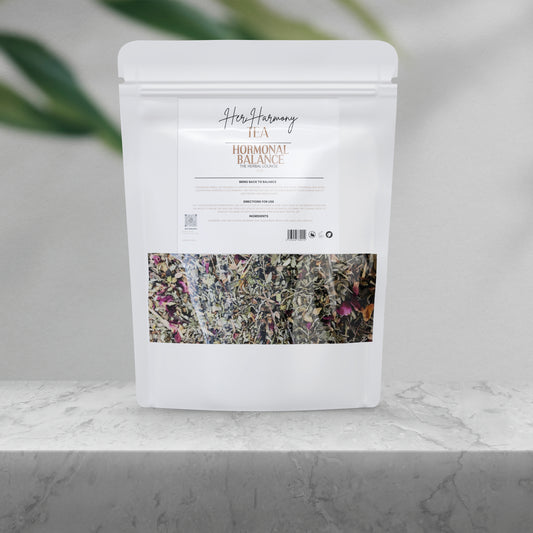
Her Harmony Tea was created as a botanical tea ritual for those who want to bring more intention to their wellness routine. Brew it as a moment to pause, reflect, and care for yourself.
For mineral-rich nourishment, explore Nourish Me Tea. For external scalp care, consider the Botanic Growth Elixir.
These offerings are crafted to complement a broader approach that includes nutrition, stress care, healthy habits, and professional guidance. They are not intended to diagnose, treat, cure, or prevent disease.
Your Next Step Can Be Gentle And Purposeful
You do not need to buy another miracle product without understanding what your hair may be communicating.
Start by noticing the pattern. Is your hair shedding all over? Is your part widening? Are your edges thinning? Did the change begin after pregnancy, a stressful event, a medication change, or the start of menopause?
Write down what you notice. Schedule appropriate medical care. Then build a supportive ritual around nourishment, scalp care, rest, and consistency.
If you would like help identifying where to begin, take the Hairtox Hair Quiz. You can also contact Hairtox by Herbalnista for personalized guidance.
Your hormones may be changing. Your hair may be changing with them. But you still have choices.
Slow down, listen closely, and care for your crown from the inside out.
Sources And Further Reading
- Hormonal Effects on Hair Follicles , International Journal of Molecular Sciences
- Treating Female Pattern Hair Loss , Harvard Health Publishing
- Is My Thyroid Disorder Causing My Hair Loss? , British Thyroid Foundation
This article is for educational purposes only. Hair loss can have many causes. Please consult a qualified healthcare professional for diagnosis, testing, and treatment recommendations specific to you.